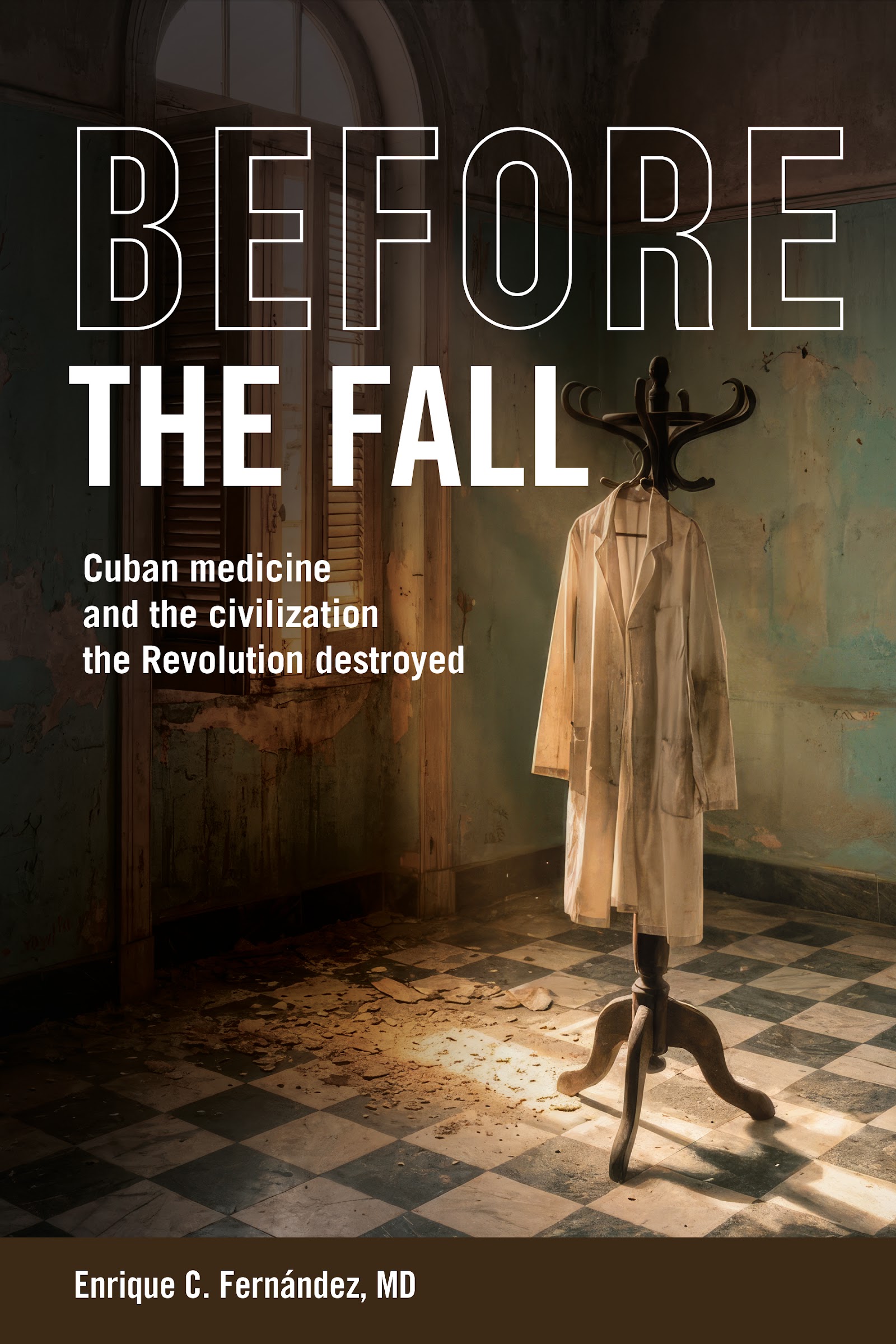
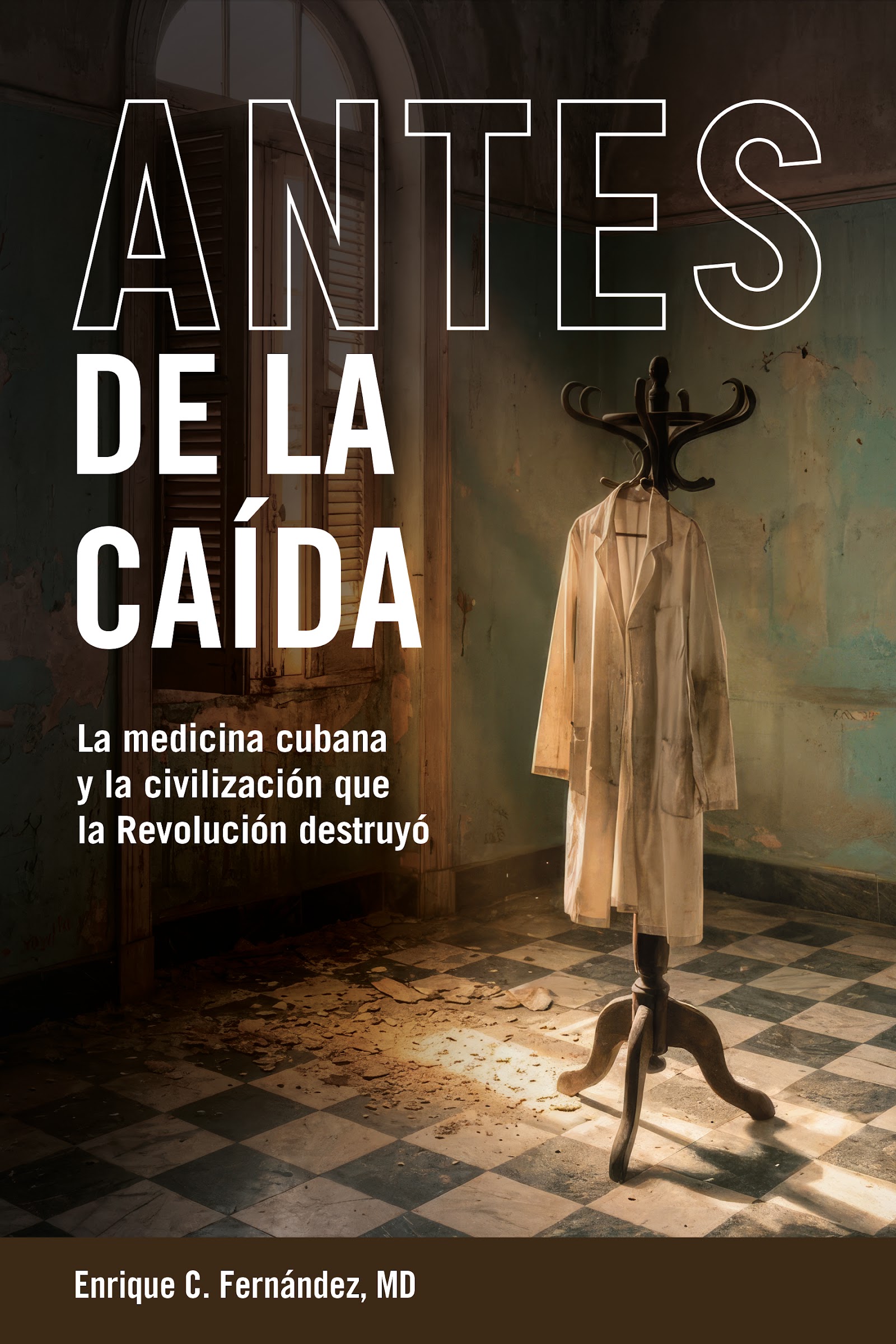
About the book
On December 19, 1959, in a building on Calle 23 in El Vedado, a rigged assembly forcibly removed Dr. Augusto Fernández Conde from the presidency of the Colegio Médico Nacional de Cuba. That night marks the end point of Before the Fall, and the vantage from which Dr. Enrique C. Fernández, his great-nephew, looks back across nearly five centuries of Cuban medicine.
Spanning 1492 to 1959, the book traces the rise of a medical civilization: from colonial origins and the Real Protomedicato, through the physician-soldiers of the independence wars (twelve of whom are profiled, men and women who carried both rifle and instrument case), to the golden era of the Cuban Republic, when the island's hospitals, medical societies and research culture stood among the finest in the hemisphere.
Running through the narrative is a pattern the book documents with care: Cuban physicians repeatedly made foundational discoveries before the world was ready to credit them. Dr. Tomás Romay championed inoculation in 1795 and had vaccinated Cuba's population before Spain's Royal Philanthropic Expedition arrived. Carlos Finlay identified the mosquito as the vector of yellow fever, a discovery whose credit was transferred to Walter Reed. Before the Fall assembles the evidence for restoring that credit.
It is also a family story. Written from primary documents in the family archive, Before the Fall is at once a history, a restitution of credit and an act of remembrance.
For readers of Cuban history and the history of medicine, for physicians, and for families who carried Cuban medicine into exile.