Enrique C. Fernández, MD

Preview · Goes live October 22, 2026 at 8:00 AM ET

The Cuban Doctor Who Found the Mosquito

How a Havana physician solved yellow fever in 1881, and why Before the Fall launches on his birthday.

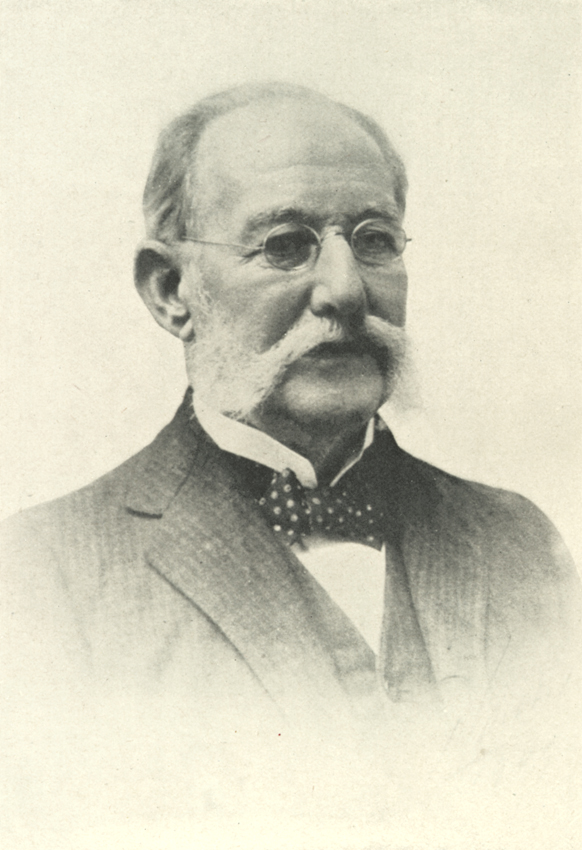
Carlos J. Finlay
Carlos J. Finlay (1833–1915). Public domain.

On August 14, 1881, a Havana physician stood before the Royal Academy of Medical, Physical and Natural Sciences and proposed an idea most of his colleagues found absurd. Yellow fever, he argued, was not carried by filth, foul air or contaminated clothing. It was carried by a mosquito.

His name was Carlos Juan Finlay. He was right, and it would take the rest of the world twenty years to admit it.

A Cuban physician, trained for the world

Finlay was born on December 3, 1833, in Puerto Príncipe, today Camagüey, to a Scottish father and a French mother. He studied in France and earned his medical degree at Jefferson Medical College in Philadelphia in 1855. He returned to Cuba to practice, at a time when yellow fever was a fact of life in Havana. It killed newcomers, soldiers and children year after year, and no one could explain how it spread.

Finlay noticed what others had missed. The disease did not behave like something passed hand to hand. It needed an intermediary. After years of observation, he identified the culprit: the mosquito we now call Aedes aegypti.

Twenty years of being ignored

Finlay did not stop at the theory. He ran inoculation experiments, kept meticulous records, and published repeatedly. For two decades, the medical establishment abroad largely dismissed him.

That changed in 1900. A U.S. Army commission led by Walter Reed arrived in Havana, met with Finlay, worked from his hypothesis, and confirmed it through controlled experiments. Within months, mosquito control under William Gorgas brought yellow fever in Havana close to elimination. The same methods later made it possible to build the Panama Canal.

Finlay was nominated for the Nobel Prize several times but never received it. Credit for the discovery was often given to the Americans who confirmed his work. He died in Havana on August 20, 1915.

Why he matters to the story of Cuban medicine

Finlay is usually told as a lone genius. He was not alone. He came out of a Cuban medical culture that was serious, scientific and connected to the best institutions in Europe and the United States. Havana had a royal academy, medical journals, trained physicians and a public eager for science.

That culture did not vanish after Finlay. It grew for another half century, into one of the most advanced medical communities in Latin America. What happened to it after 1959 is the subject of my book.

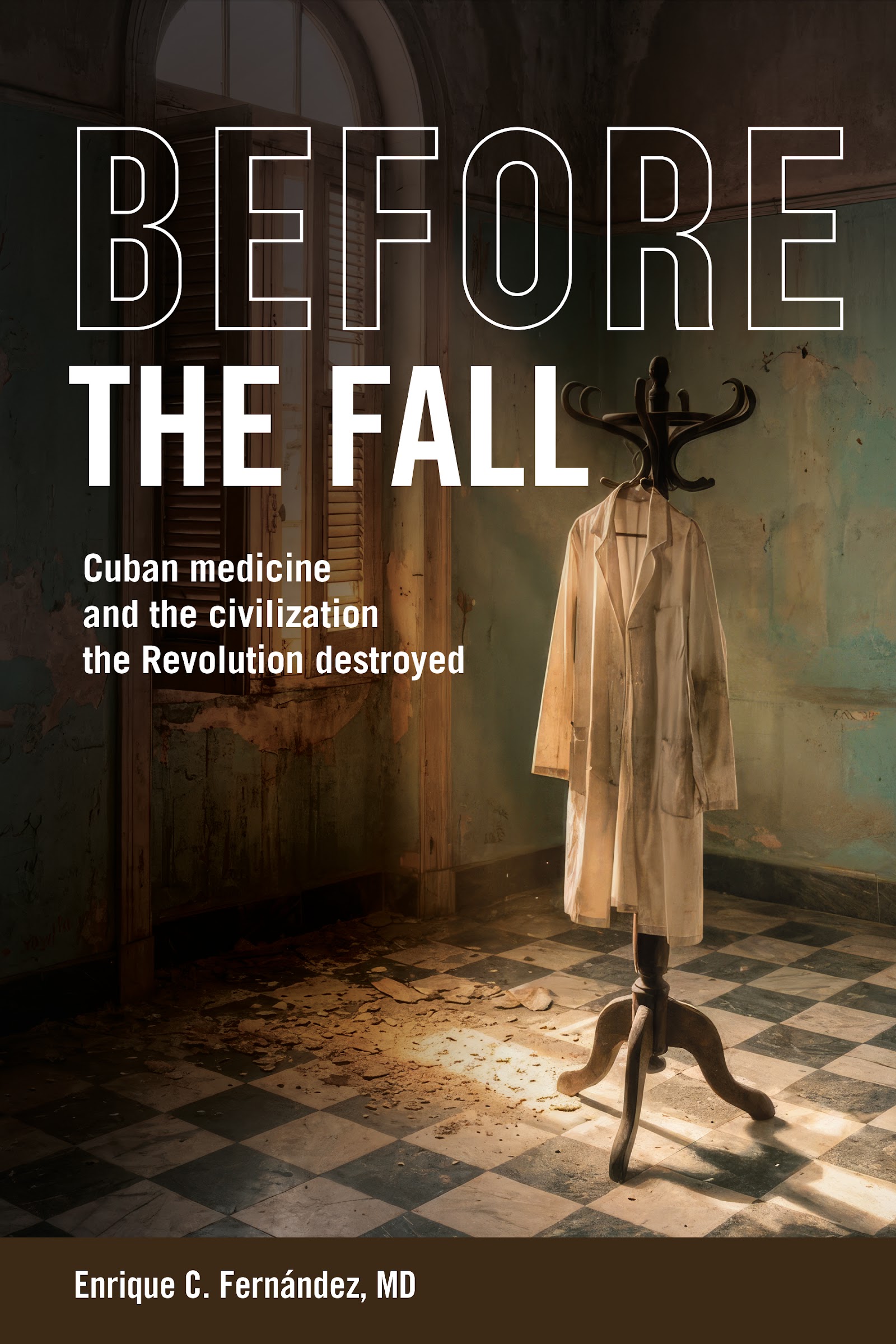
Today, December 3 is celebrated across the Americas as Pan American Medicine Day in Finlay's honor. That is why Before the Fall: Cuban Medicine and the Civilization the Revolution Destroyed will be released on December 3, 2026.

Over the coming weeks, this blog will tell more of that story: the hospitals, the schools, the laws, and the physicians who built Cuban medicine and the ones who carried it into exile.

Dr. Enrique C. Fernández, MD, MBA, FAAFP, is a family physician in Miami and the author of Before the Fall.

About the author

Join the author's list

New essays, forthcoming books, and occasional reflections.

We use your email only to send the list. Privacy Policy

Keep reading the preview

Vista previa · Se publica el 22 de octubre de 2026 a las 8:00 a. m. (hora del Este)

El médico cubano que descubrió al mosquito

Cómo un médico habanero descifró la fiebre amarilla en 1881, y por qué Antes de la Caída sale en su cumpleaños.

Carlos J. Finlay
Carlos J. Finlay (1833–1915). Public domain.

El 14 de agosto de 1881, un médico habanero se presentó ante la Real Academia de Ciencias Médicas, Físicas y Naturales de La Habana y expuso una idea que la mayoría de sus colegas consideró absurda. La fiebre amarilla, sostuvo, no se transmitía por la suciedad, los miasmas ni la ropa contaminada. La transmitía un mosquito.

Se llamaba Carlos Juan Finlay. Tenía razón, y al resto del mundo le tomaría veinte años reconocerlo.

Un médico cubano formado para el mundo

Finlay nació el 3 de diciembre de 1833 en Puerto Príncipe, hoy Camagüey, hijo de padre escocés y madre francesa. Estudió en Francia y se graduó de médico en el Jefferson Medical College de Filadelfia en 1855. Regresó a Cuba a ejercer en una época en que la fiebre amarilla era parte de la vida habanera. Mataba a recién llegados, soldados y niños año tras año, y nadie sabía explicar cómo se propagaba.

Finlay observó lo que otros pasaban por alto. La enfermedad no se comportaba como algo que pasara de mano en mano. Necesitaba un intermediario. Tras años de observación, identificó al culpable: el mosquito que hoy conocemos como Aedes aegypti.

Veinte años de indiferencia

Finlay no se quedó en la teoría. Realizó experimentos de inoculación, llevó registros minuciosos y publicó una y otra vez. Durante dos décadas, la medicina extranjera en gran parte lo ignoró.

Eso cambió en 1900. Una comisión del Ejército de los Estados Unidos encabezada por Walter Reed llegó a La Habana, se reunió con Finlay, trabajó a partir de su hipótesis y la confirmó mediante experimentos controlados. En pocos meses, la campaña contra el mosquito dirigida por William Gorgas casi eliminó la fiebre amarilla en La Habana. Esos mismos métodos hicieron posible después la construcción del Canal de Panamá.

Finlay fue propuesto varias veces para el Premio Nobel, pero nunca lo recibió. El mérito del descubrimiento se atribuyó a menudo a los norteamericanos que confirmaron su trabajo. Murió en La Habana el 20 de agosto de 1915.

Por qué importa en la historia de la medicina cubana

A Finlay se le suele presentar como un genio solitario. No lo fue. Surgió de una cultura médica cubana seria, científica y vinculada a las mejores instituciones de Europa y los Estados Unidos. La Habana tenía una academia real, revistas médicas, médicos bien formados y un público ávido de ciencia.

Esa cultura no desapareció con Finlay. Siguió creciendo durante medio siglo más, hasta convertirse en una de las comunidades médicas más avanzadas de América Latina. Lo que le ocurrió después de 1959 es el tema de mi libro.

Hoy, el 3 de diciembre se celebra en todo el continente como el Día de la Medicina Panamericana en honor a Finlay. Por eso Antes de la Caída saldrá a la venta el 3 de diciembre de 2026.

En las próximas semanas, este blog contará más de esa historia: los hospitales, las escuelas, las leyes y los médicos que construyeron la medicina cubana, y los que la llevaron consigo al exilio.

El Dr. Enrique C. Fernández, MD, MBA, FAAFP, es médico de familia en Miami y autor de Antes de la Caída.

Sobre el autor

Join the author's list

New essays, forthcoming books, and occasional reflections.

We use your email only to send the list. Privacy Policy

Siga leyendo la vista previa